Every time you choose an amino acid supplement, do you find yourself asking: "Which is better, BCAA or EAA? What's the difference?" or "If I'm already taking EAA, do I still need BCAA?"
In reality, BCAA and EAA are not mutually exclusive choices! The biggest differences lie in their amino acid profiles and intended purposes. Deciding which one to take depends primarily on your training style, daily dietary intake, and supplementation timing.
Quick Overview: What is EAA? What is BCAA?
🧬 EAA (Essential Amino Acids)
The 9 essential amino acids that the human body cannot synthesize on its own and must obtain through diet or supplements:
- Leucine, Isoleucine, Valine (These three make up BCAA)
- Lysine, Threonine, Phenylalanine, Methionine, Histidine, Tryptophan
Core Role: Provides complete "building blocks" to support full muscle protein synthesis, immune function, and essential physiological processes.
🧬 BCAA (Branched-Chain Amino Acids)
BCAAs are actually 3 specific amino acids within the EAA group (Leucine, Isoleucine, and Valine):
- They are among the few amino acids metabolized directly in skeletal muscle.
- Leucine, in particular, acts as the primary signal switch that triggers muscle protein synthesis (via the mTOR pathway).
Core Role: Rapidly absorbed during exercise to preserve muscle tissue, delay central nervous system fatigue, and enhance workout performance.
BCAA vs. EAA: Feature & Specification Comparison
| Comparison | EAA (Essential Amino Acids) | BCAA (Branched-Chain Amino Acids) |
| Amino Acid Count | 9 Types (Includes BCAA) | 3 Types (Leucine, Isoleucine, Valine) |
| Muscle Synthesis Effect | Provides complete raw materials for full protein synthesis | Delivers the "trigger signal" (especially Leucine) |
| Metabolic Pathway | Metabolized via liver and muscles | Metabolized directly in muscles for rapid absorption |
| Primary Benefits | Overall recovery, immune support, fills dietary protein gaps | Prevents muscle breakdown during workouts, delays fatigue, boosts endurance |
Real-World Application: When Should You Take Them?
Although BCAA is part of EAA, they can be strategically combined to maximize their complementary benefits:
▶️Intra-Workout / Extended Training Sessions:
- Choose BCAA: Rapidly supplies readily available amino acids to reduce muscle breakdown and delay fatigue.
▶️Fasted / Early Morning Workouts:
- Choose BCAA: Delivers an instant amino acid source to minimize muscle loss during fasted states.
▶️Long Gaps Between Meals (> 4–5 hours):
- Choose EAA: Helps maintain blood amino acid concentration to support continuous muscle synthesis.
▶️Fat Loss Phase (Caloric Deficit / Inconsistent Protein Intake):
- Daily EAA: Fills nutritional gaps and maintains complete protein structure.
- Intra-Workout BCAA: Serves as an immediate shield against muscle breakdown during training.
▶️Muscle Building Phase (Paired with High-Protein Diet):
- Daily EAA: Complements meal intake to boost round-the-clock protein synthesis.
- Intra-Workout BCAA: Supports high-intensity training performance.
🔹Product Recommendations🔹
𝑺𝒄𝒊𝒕𝒆𝒄 𝑩𝑪𝑨𝑨 𝑿𝒑𝒓𝒆𝒔𝒔
- Golden Ratio: Delivers 5000mg of BCAA per serving in the classic, golden 2:1:1 Leucine ratio.
- Rapid Protection: Effectively prevents muscle catabolism, delays fatigue, and speeds up post-workout recovery.
- Sugar-Free & Refreshing: Easily soluble, sugar-free formula for fast absorption, available in a variety of refreshing flavors.
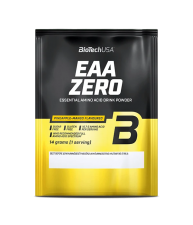
𝑩𝒊𝒐𝑻𝒆𝒄𝒉𝑼𝑺𝑨 𝑬𝑨𝑨 𝒁𝒆𝒓𝒐
- Complete Formula: Provides 7160mg of high-concentration EAA per serving (including 3400mg of BCAA).
- Enhanced Recovery Synergy: Fortified with an extra 3580mg of L-Glutamine, forming a near 1:1 synergistic ratio with BCAA to maximize post-training repair.
- Premium Quality: Sugar-free, quick-dissolving, and rapidly absorbed - the ultimate choice for daily comprehensive amino acid intake.
Smart Combination for Maximum Results
Amino acid supplementation isn't an either/or decision. You can use BCAA during workouts for immediate energy and anti-catabolic defense, while taking EAA between meals or on non-workout days to sustain elevated blood amino acid levels.
By understanding your lifestyle, meal scheduling, and fitness goals, you can leverage both supplements to boost performance, enhance recovery, and preserve your hard-earned muscle mass!
Note: Regardless of which amino acid supplement you choose, always pair it with adequate hydration and a balanced whole-food diet for optimal, stable results.
 Related Products